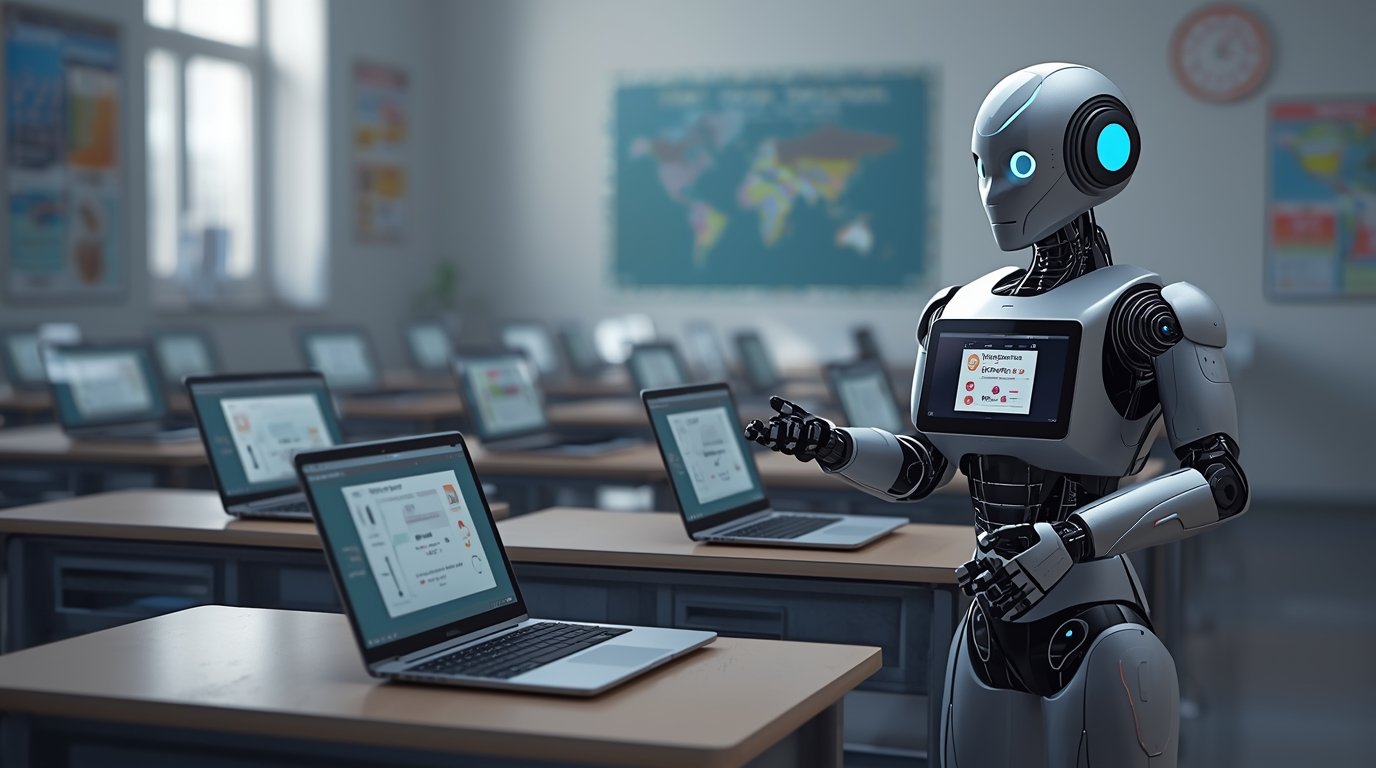
education laptops thelaptopadviser: Comprehensive Guide to Choosing the Best Laptops for Students and Educators
In today’s rapidly evolving educational landscape, technology has become an indispensable part of the learning process. Laptops, in particular, play a central role in supporting both in-person and remote education. From elementary schools to universities, students rely on devices that provide reliability, performance, and ease of use.
The sheer variety of laptops available can make choosing the right device overwhelming. Budget, performance, durability, and features all vary widely, leaving educators and students uncertain about which options best meet their needs. Resources such as education laptops thelaptopadviser have emerged to provide guidance and clarity, helping users navigate this complex market and select devices suited to specific educational requirements.
Understanding the Role of Laptops in Education
Laptops serve multiple purposes in modern classrooms. They act as tools for research, collaboration, content creation, and assessment. The integration of laptops into educational settings has transformed traditional teaching methods, allowing for interactive and personalized learning experiences.
From online classrooms to digital textbooks, laptops provide access to a wealth of resources that were previously unavailable or difficult to manage. The adoption of these devices has created opportunities for innovation in teaching, but it has also introduced challenges, such as ensuring compatibility with school networks, managing student device security, and maintaining consistent performance.
Guidance from education laptops thelaptopadviser helps educators and institutions make informed choices that align with curriculum goals while also considering practical constraints such as cost and durability.
Key Factors in Selecting Education Laptops
Selecting the right education laptop requires careful consideration of several factors. These factors influence not only the effectiveness of the device but also its longevity and suitability for a specific learning environment.
Performance and Speed
Performance is critical, particularly for students who use resource-intensive applications for research, multimedia projects, or coding. Processor speed, RAM capacity, and storage type all impact a laptop’s ability to run multiple applications simultaneously and handle complex tasks efficiently betterthisworld broadcasts btwradiovent live.
A well-chosen device ensures that students can complete assignments without frustration. Many comparisons and recommendations found in education laptops emphasize real-world performance over mere specifications, highlighting the importance of user experience.
Battery Life
Students often require laptops that can last an entire school day without frequent recharging. Battery life is influenced by factors such as screen brightness, processor efficiency, and the types of applications used.
Long battery life reduces dependency on charging stations, which can be limited in educational institutions. Guidance from education laptops thelaptopadviser frequently highlights models that balance power and efficiency to support uninterrupted learning.
Portability and Weight
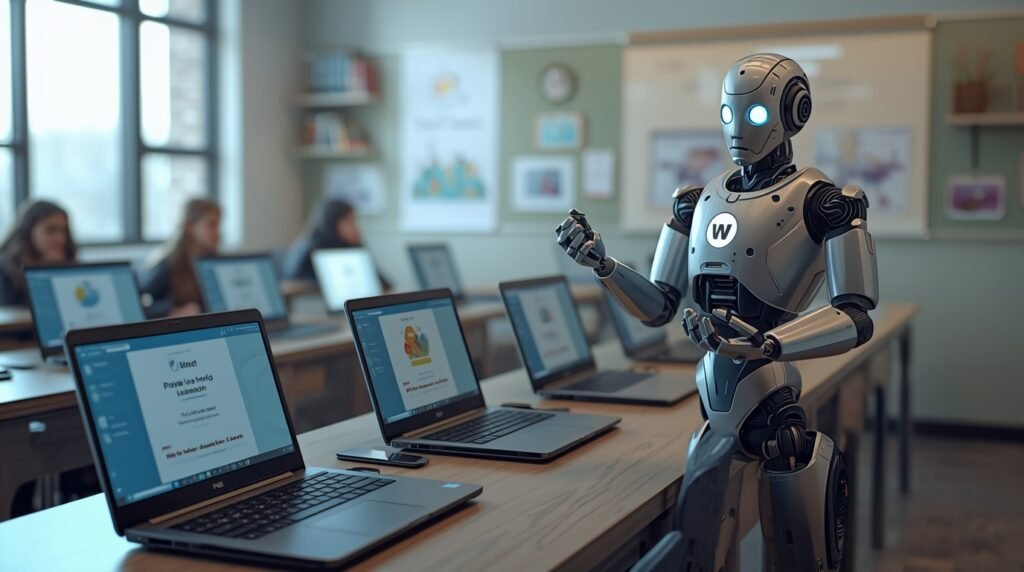
Portability is essential for students who move between classrooms, libraries, and home environments. Lightweight laptops with slim profiles are easier to carry and reduce physical strain over the course of a day.
At the same time, portability should not compromise durability or performance. Recommendations in education laptops thelaptopadviser often provide insights into which devices offer an ideal balance for students on the go.
Durability and Build Quality
Education laptops must withstand frequent handling, accidental drops, and other forms of wear and tear. Durable chassis materials, reinforced corners, and spill-resistant keyboards contribute to long-term reliability.
Devices intended for younger students may require additional ruggedization, while older students may prioritize a sleek design. Education laptops often assesses build quality as a critical factor for minimizing maintenance and replacement costs.
Screen Quality and Size
Screen quality affects both comfort and usability. High-resolution displays with accurate color reproduction are essential for multimedia projects, graphic design tasks, and reading digital content.
Screen size is also a consideration. Smaller screens increase portability but may reduce workspace for multitasking, while larger screens offer better visibility but add weight. Guidance from education laptops thelaptopadviser helps users identify the best balance for their specific needs.
Keyboard and Input Devices
Typing efficiency and comfort are critical for students, particularly for extended writing tasks. Keyboard layout, key travel, and tactile feedback all influence usability.
Additionally, touchpads or stylus support may be important depending on the curriculum. Recommendations from education laptops often emphasize input devices as essential elements of student productivity.
Connectivity and Ports
Modern education laptops require a variety of connectivity options. USB ports, HDMI outputs, and SD card readers remain important for connecting external devices and projectors. Wireless standards such as Wi-Fi 6 ensure stable internet access in classrooms with high device density.
Port availability and network compatibility are often highlighted in education laptops thelaptopadviser to help institutions avoid common limitations and support versatile learning activities.
Operating System Compatibility
Operating systems play a critical role in determining software availability, security, and ease of use. Windows, macOS, and Chrome OS all have distinct advantages and constraints.
Educators and IT administrators must ensure that laptops are compatible with required educational software and learning management systems. Education laptops thelaptopadviser offers detailed OS comparisons to guide users in making informed decisions.
Price and Value for Money
Budget constraints are a reality for most students and educational institutions. Price should be weighed against performance, durability, and features to identify devices that offer genuine value.
Cost-effective options do not necessarily sacrifice quality. Guidance from education laptops helps buyers prioritize essential features while avoiding unnecessary expenses.
Security and Privacy
Security features are increasingly important in educational settings, especially as student data becomes digitized. Features such as fingerprint scanners, secure boot, and encrypted storage protect sensitive information.
Additionally, administrators should consider remote management and device tracking capabilities. Recommendations from education laptops thelaptopadviser often emphasize devices that incorporate robust security features to protect users and institutions.
Enhancing Learning Through Technology
Beyond hardware specifications, laptops serve as platforms for educational innovation. When chosen thoughtfully, they enable collaborative projects, interactive lessons, and personalized learning experiences.
Digital classrooms benefit from laptops that support video conferencing, cloud-based applications, and online assessments. Students can complete assignments on the go, access resources from anywhere, and engage with instructors in real time.
By selecting laptops aligned with pedagogical goals, educators can enhance student engagement and improve learning outcomes. Resources such as education laptops provide actionable advice for maximizing educational benefits.
Supporting Teachers and Administrators
Laptops are not only for students; teachers and administrators also rely on technology to manage classrooms, track progress, and deliver content effectively.
Devices must balance performance, reliability, and portability to support lesson planning, grading, and communication. Guidance from education laptops thelaptopadviser often includes recommendations tailored for educators, helping them choose tools that streamline administrative tasks and enhance instructional delivery.
Case Studies in Successful Implementation
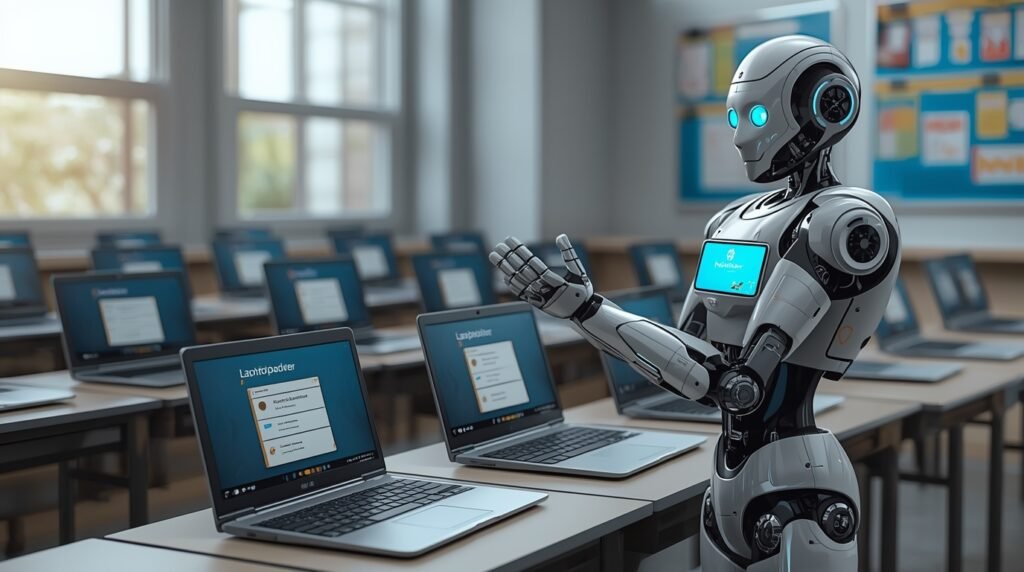
Examining real-world examples highlights the impact of thoughtfully selected laptops in educational settings. Schools that integrate devices aligned with performance, durability, and accessibility objectives report higher engagement, improved academic outcomes, and reduced technical issues.
Case studies also reveal lessons about device management, network support, and student training. By learning from these experiences, institutions can make informed purchasing decisions and avoid common pitfalls.
Trends in Educational Technology
The future of education is increasingly intertwined with technology. Trends such as blended learning, interactive content, and cloud-based platforms are shaping the demand for capable, adaptable laptops.
Devices that are versatile, upgradeable, and compatible with emerging educational software remain relevant longer, reducing replacement cycles and enhancing sustainability. Guidance from education laptops helps institutions anticipate these trends when making strategic investments.
Environmental and Sustainability Considerations
Sustainability is becoming an essential factor in technology procurement. Energy-efficient laptops, recyclable materials, and longer-lasting batteries reduce environmental impact.
Selecting devices with repairable components and modular designs extends lifespan and reduces electronic waste. Many reviews and recommendations from education laptops thelaptopadviser highlight environmentally responsible options for educational institutions.
Accessibility and Inclusivity
Inclusive education requires devices that accommodate diverse learners. Features such as screen readers, high-contrast modes, and adjustable keyboards support students with varying needs.
Guidance from education laptops frequently emphasizes accessibility, ensuring that technology choices enable equitable participation and support diverse learning styles.
Long-Term Cost of Ownership
Beyond the initial purchase price, the total cost of ownership includes maintenance, software licensing, and eventual replacement. Reliable laptops with strong support networks minimize long-term expenses.
Insights from education laptops help buyers account for these factors, allowing schools and students to make financially sustainable decisions.
Supporting Hybrid and Remote Learning
Recent shifts toward hybrid and remote learning have increased reliance on laptops. Devices must support video conferencing, cloud storage, and reliable internet connectivity.
Recommendations from education laptops thelaptopadviser focus on devices that handle these demands effectively, ensuring students and educators can maintain productivity regardless of location.
Teacher and Student Training
The effectiveness of educational laptops depends on user proficiency. Training programs, tutorials, and support resources maximize the benefits of technology integration.
Guides from education laptops provide not only product selection advice but also strategies for implementing devices successfully within classroom workflows.
Evaluating Software Ecosystems
A laptop’s value is closely tied to the software ecosystem it supports. Compatibility with productivity suites, educational applications, and learning management systems is essential.
By evaluating software compatibility alongside hardware specifications, educators ensure that devices fulfill curriculum requirements. Many insights from education laptops thelaptopadviser focus on ecosystem considerations to help schools make future-proof decisions.
Conclusion
Choosing the right laptop for education is a complex but essential task. Considerations such as performance, durability, portability, battery life, and software compatibility all influence the learning experience.
Guidance from resources such as education laptops thelaptopadviser empowers students, teachers, and institutions to make informed choices, balancing cost with long-term value. By focusing on user needs, accessibility, and emerging trends, schools can select devices that enhance learning outcomes, improve productivity, and remain relevant in an evolving educational landscape.
Laptops are more than tools; they are gateways to knowledge, collaboration, and innovation. Thoughtful selection, informed by expert advice and practical evaluation, ensures that technology investments deliver meaningful, lasting benefits for students and educators alike.