Contact the Cook That-Bites – Exploring the Art, Passion, and Evolution of Modern Culinary Creativity
Contact the cook that-bites is more than just a catchy phrase—it embodies the spirit of culinary boldness, innovation, and passion that defines today’s modern kitchen culture. In an era where food has transcended sustenance to become a global language of creativity and connection, the cooks who “bite back” are those who challenge conventions, experiment fearlessly, and craft unforgettable dining experiences. From the sizzling street food stalls of Bangkok to the fine-dining tables of Paris, culinary evolution is driven by those who dare to take risks and redefine flavor. This article explores the fascinating world of such culinary pioneers—their philosophy, techniques, challenges, and impact on food culture around the world.
The Spirit of Culinary Rebellion
The concept behind contact the cook that-bites lies in understanding the mindset of chefs who reject the ordinary. These cooks are not content with simply following recipes—they rewrite them, reshape them, and reinvent them. They bring a rebellious edge to traditional cooking, combining intuition with technique, and creativity with discipline.
In the culinary world, rebellion doesn’t always mean chaos; it often represents evolution. These chefs understand that progress requires experimentation, and experimentation sometimes means failure. However, it’s through this process that they discover new textures, flavors, and techniques that expand the boundaries of what food can be. They blend global influences, introduce sustainable ingredients, and use technology in ways that elevate both taste and presentation www that-bites .org foodies.
The Changing Definition of a “Cook”
Traditionally, a cook was someone who prepared meals according to established methods. But in the world of contact the cook that-bites, that definition has evolved dramatically. Today’s cooks are part artists, part scientists, and part storytellers. They bring emotion to the table, transforming food into an immersive experience.
This modern cook embraces culinary fusion, drawing inspiration from multiple cuisines and cultures. For example, a chef might mix Japanese precision with Mexican boldness or use molecular gastronomy to give traditional comfort dishes a futuristic twist. In doing so, they not only appeal to the palate but also stimulate curiosity, emotion, and conversation among diners.
The cook that bites back against mediocrity represents a mindset where boundaries do not exist. Every ingredient becomes a possibility, and every plate becomes a canvas for artistic expression.
From Kitchen to Laboratory: The Rise of Culinary Science
In today’s world, science and cooking are inseparable. The phrase contact the cook that-bites captures the essence of this synergy, as many modern chefs have become culinary scientists. They use precision tools, molecular techniques, and chemical understanding to manipulate ingredients and create stunning effects.
Techniques like spherification, foaming, and sous-vide cooking have revolutionized modern cuisine. These innovations allow cooks to deconstruct and reconstruct dishes in surprising ways. For instance, transforming a classic tomato soup into a gel sphere or creating edible clouds infused with aroma shows how creativity and technology merge to challenge expectations.
But beyond the theatrics, the scientific approach also improves nutritional value, food safety, and sustainability. Cooks experiment with fermentation, plant-based proteins, and food waste reduction to ensure their craft aligns with environmental responsibility.
Culinary Storytelling: Food as an Experience
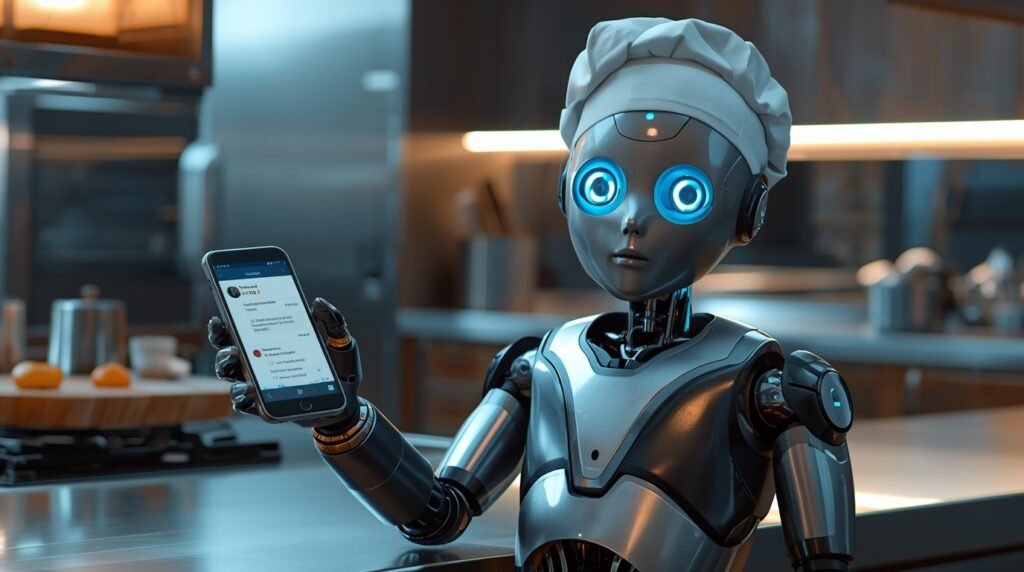
Every dish tells a story, and contact the cook that-bites reminds us that great chefs are also great storytellers. Whether it’s a humble bowl of ramen or a ten-course tasting menu, every element on the plate carries intention.
Culinary storytelling begins with the ingredients—where they come from, how they are prepared, and what they represent. The choice of flavors and textures can evoke nostalgia, culture, or emotion. For example, a dessert infused with childhood memories might include the scent of vanilla and caramel to transport diners to a simpler time.
The cook that bites back knows that food is not only tasted but also felt. Presentation, plating, and sensory engagement play crucial roles. Visuals, sounds, and even the environment in which the food is served contribute to the overall narrative. It’s this storytelling aspect that transforms eating from consumption into a deeply personal experience.
Sustainability and Ethical Cooking
In today’s rapidly changing world, sustainability has become an essential part of culinary philosophy. Contact the cook that-bites is not only a call for creativity but also for responsibility. The modern chef must navigate a world facing climate change, food scarcity, and ethical challenges.
Sustainability in cooking involves using local ingredients, minimizing waste, and supporting fair trade practices. Chefs who embrace this mindset become advocates for environmental change. They collaborate with farmers, fishermen, and artisans who share their commitment to ethical sourcing.
Many forward-thinking cooks have also adopted plant-based and zero-waste philosophies. Through creative menu planning and innovative use of by-products, they ensure that nothing goes unused. The result is cuisine that nourishes not only the body but also the planet.
Fusion Cuisine: Breaking Boundaries and Building Bridges
Culinary fusion has become one of the defining characteristics of modern cooking. Contact the cook that-bites exemplifies this fusion-driven era, where creativity thrives at the intersection of diverse traditions. Instead of adhering to rigid culinary categories, today’s chefs mix and match techniques, flavors, and ingredients from around the world.
This fusion goes beyond flavor; it represents cultural exchange. When a chef pairs Indian spices with French sauces or blends Mediterranean freshness with Asian fermentation techniques, they’re not just combining tastes—they’re connecting worlds.
However, successful fusion requires respect for authenticity. The best cooks understand the heritage behind each ingredient and technique, ensuring that innovation doesn’t turn into cultural appropriation. Instead, it becomes a celebration of diversity, where every dish honors its roots while exploring new possibilities.
The Role of Emotion in Cooking
Cooking is an emotional art. The philosophy of contact the cook that-bites recognizes that the best dishes are born not just from skill but from feeling. Whether it’s joy, nostalgia, or passion, emotions guide a cook’s hand and influence every flavor choice.
Emotion-driven cooking connects the chef and diner on a personal level. A meal prepared with care and intention resonates far deeper than one created mechanically. The best chefs channel their emotions into their dishes, using food as a language of empathy and expression.
The cook that bites back also embraces vulnerability. They understand that sharing food is a form of sharing oneself. Every plate becomes a reflection of their mood, creativity, and humanity.
Technology in the Modern Kitchen
The digital age has transformed every aspect of life—including the culinary world. Contact the cook that-bites reflects how technology empowers cooks to innovate, learn, and connect like never before.
From AI-driven kitchen appliances to 3D food printing, technology offers endless possibilities. Smart ovens adjust cooking temperatures automatically, while data analytics help chefs track ingredient quality and sustainability metrics. Even social media has become a tool for creativity, allowing chefs to share techniques and reach audiences across the globe.
However, technology should enhance, not replace, human intuition. The most skilled cooks use it as a tool to amplify their creativity, not to overshadow it. By blending digital precision with human artistry, they strike the perfect balance between modern efficiency and timeless craftsmanship.
Culinary Education and Mentorship
Behind every great chef is a journey of learning and mentorship. The idea of contact the cook that-bites also speaks to the importance of sharing knowledge within the culinary community. Experienced chefs pass down wisdom, techniques, and philosophies to the next generation, ensuring that innovation continues to thrive.
Culinary education has evolved beyond rote technique. Today’s institutions emphasize creativity, ethics, and sustainability. Students are encouraged to think critically about food systems, social impact, and cultural diversity.
Mentorship plays a vital role in shaping confident, curious cooks. The greatest mentors are those who challenge their protégés to question conventions and trust their instincts—qualities that define the “cook that bites.”
Food and Culture: The Universal Language
Food transcends borders. It unites people across differences of language, geography, and belief. The movement represented by contact the cook that-bites understands that cooking is a cultural dialogue. Every dish carries heritage, identity, and emotion.
In multicultural societies, food becomes a bridge between communities. Chefs who embrace this responsibility create dishes that celebrate inclusivity and diversity. They preserve ancient techniques while introducing contemporary elements that make them relevant today.
Food festivals, collaborations, and culinary tourism further this global exchange. As people explore cuisines from around the world, they gain deeper appreciation for cultures and traditions that differ from their own. The modern cook becomes not just a creator of meals but a cultural ambassador.
The Future of Culinary Innovation
The future of cooking is a thrilling mix of science, creativity, and consciousness. Contact the cook that-bites represents this forward-thinking era, where culinary innovation serves both pleasure and purpose.
Emerging technologies like lab-grown meat, edible packaging, and precision fermentation promise to transform how we eat. At the same time, global movements advocating sustainability and wellness are shaping consumer expectations. The cook of tomorrow must balance innovation with integrity—creating food that excites the senses while honoring the planet.
Furthermore, AI and data science are entering the kitchen. Predictive cooking algorithms can analyze flavor pairings, while robotics assist in repetitive tasks, freeing chefs to focus on artistry. Yet, amid all these advancements, one truth remains: the heart of cooking lies in human creativity and connection.
The Emotional Connection Between Cook and Diner
What makes food truly unforgettable is the bond between the person who prepares it and the one who enjoys it. The ethos of contact the cook that-bites is built on this emotional connection. A meal prepared with intention communicates love, care, and authenticity in ways words cannot.
When diners taste a dish crafted with passion, they feel the story behind it. This connection transcends technique or presentation—it’s about shared experience. Great cooks understand that feeding someone is an act of generosity, an intimate exchange of emotion and energy.
Every bite carries the essence of the cook’s personality, turning an ordinary meal into a profound moment. That’s why the cook that bites back doesn’t simply follow recipes—they create memories.
Women in Culinary Innovation
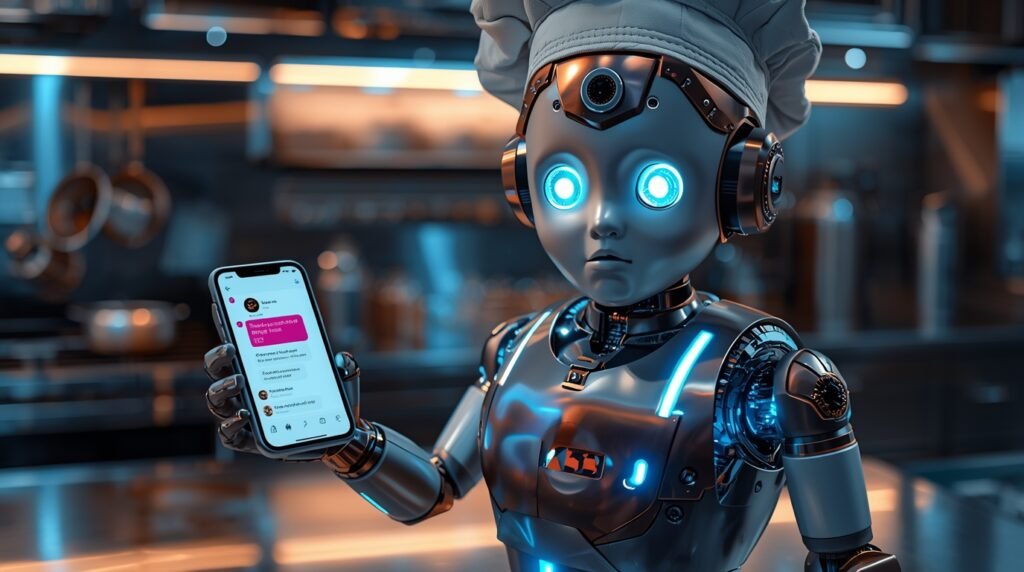
Historically, the culinary world was dominated by male chefs, but that narrative is changing rapidly. Contact the cook that-bites also celebrates the rise of women who are redefining leadership and creativity in professional kitchens.
Female chefs are bringing new perspectives to gastronomy, emphasizing empathy, sustainability, and inclusivity. Their approach often blends technical precision with emotional intelligence, creating dining experiences that resonate deeply.
Women like Dominique Crenn, Clare Smyth, and Asma Khan have become symbols of this transformation. They’re proving that leadership in the kitchen is not about hierarchy—it’s about vision, collaboration, and courage. Their work continues to inspire future generations of cooks to embrace authenticity and confidence in their craft.
Challenges Faced by Modern Chefs
Behind the glamour of culinary fame lies a world of pressure, long hours, and constant innovation. The philosophy of contact the cook that-bites acknowledges these challenges while celebrating the resilience of those who endure them.
Cooks face mental and physical demands that test their limits daily. They balance creativity with consistency, managing teams, suppliers, and customer expectations—all while maintaining their artistic identity.
The rise of social media adds another layer of complexity. While it provides exposure, it also fosters unrealistic standards and criticism. To survive in this environment, chefs must cultivate mental strength and a supportive community that values well-being as much as excellence.
Conclusion: The Future Belongs to the Bold
In the end, contact the cook that-bites is more than a phrase—it’s a philosophy. It represents the fearless spirit of cooks who dare to question, innovate, and inspire. These culinary trailblazers transform food into art, science, and storytelling, connecting people across the globe through taste and creativity.
The cook that bites back is not defined by fame or perfection but by authenticity and courage. They are the dreamers who push boundaries, the innovators who shape trends, and the artists who remind us that cooking is an act of love and expression.
As the culinary world continues to evolve, one thing remains clear: the future belongs to those who are unafraid to experiment, fail, and rise again. So when you contact the cook that-bites, you’re not just reaching out to a chef—you’re connecting with a movement that celebrates passion, progress, and the power of flavor to change the world.